![You are currently viewing Things to know before visiting Jordan [Based on my experience]](https://findhotels.online/wp-content/uploads/2025/12/south-theater-of-jerash-jordan-bagpipes.jpg)
I had always had a fairytale view of Jordan. In my minds eye, it was a place where history is etched in stone, landscapes defy logic, where Holy waters flow through sacred lands. If you have the same picture in your head, then you’re halfway to understanding Jordan, but in order to get the full picture, there are some things to know before you go.
Nestled in the heart of the Middle East, this captivating kingdom sits at the crossroads of Holy lands. It’s where some of the world’s most ancient civilizations roamed, where dramatic deserts look like other planets, and where the best experiences are simply doing nothing but take it all in.
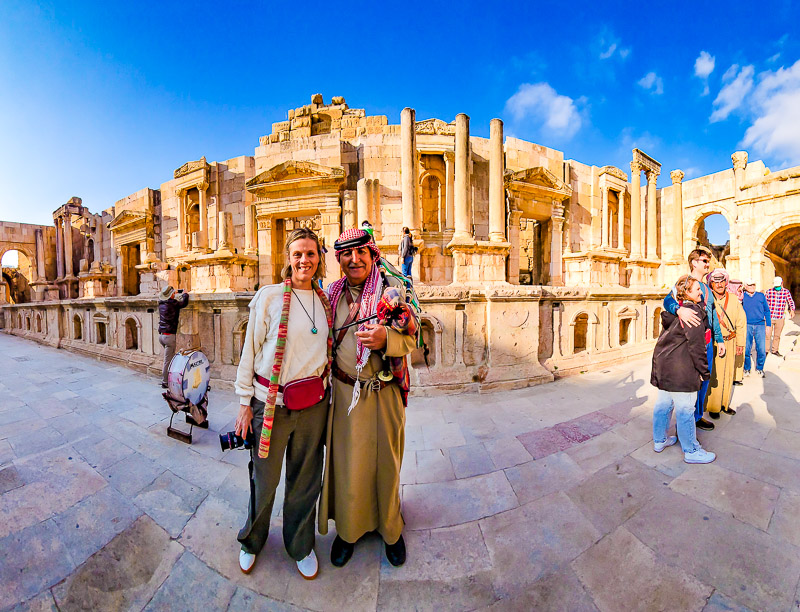
But before you start exploring the red-hued ruins of Petra or float in the salty, surreal waters of the Dead Sea, you need to be prepared with a few important facts and words of advice so you can see the best of this country.
- Jordan is safe to visit
- You need a tourist visa to enter Jordan
- The Jordan Pass, it’s well worth it
- Who are the Bedouins?
- Dress conservatively in Jordan
- Be prepared if you travel during Ramadan
- NO PDAs in Jordan
- LGBTQ is not criminalized but frowned upon
- English is widely spoken
- Visit Jordan in Spring or Fall
- Jordan can get cold
- Set aside at least seven days
- Jordan is more than just Petra
- Don’t visit Petra for one day (it’s more expensive)
- You need a car to get around Jordan
- Be mindful when using taxis
- Group tours are a great way to get around and meet people
- Essentials to pack for Jordan
- Bring a power adapter for Jordan
- Get a local sim card for easy data roaming
- Jordan is affordable
- Tipping is not mandatory but appreciated
- ATMs are readily available
- Carry copies of travel documents
- You don’t need any special vaccines
- Jordanian food is aromatic and protein-heavy
- Do not drink the tap water in Jordan
- You can drink alcohol in Jordan
- Jordan has centuries of fascinating history
- Jordan is full of unique wonders
- Jordanians are friendly and hospitable
- Jordan is quite a liberal country
- Final thoughts
- More Jordan Travel Tips
- Pin To Save It On Pinterest
Jordan is safe to visit
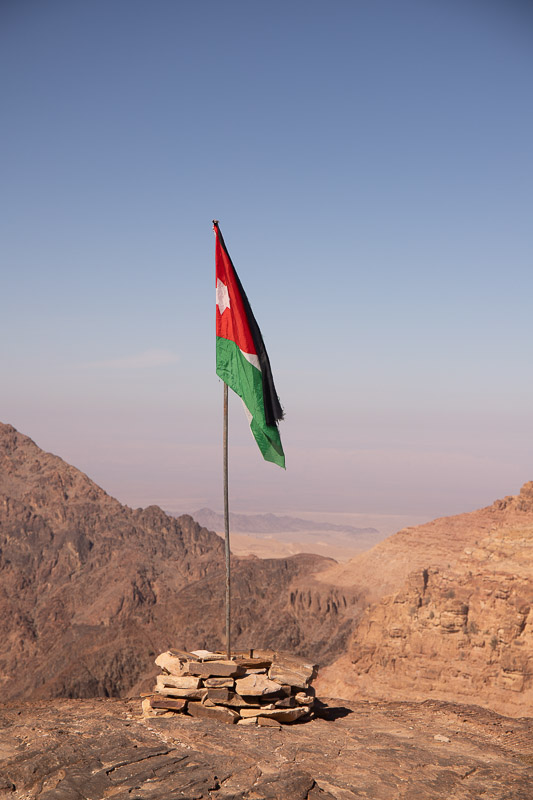
Since Jordan borders Israel, the question on most travelers lips is; is Jordan safe to travel to right now? The answer is yes. Jordan is widely regarded as one of the safest destinations in the Middle East, and is known for its political stability, strong security infrastructure, and a reputation for being a safe haven amidst regional conflicts.
Cut simply, it doesn’t get involved with the conflict in Israel, and so this should not be a reason to pause your travels, however, you should avoid border areas (specifically with Syria and Iraq) as there are refugee camps set up there.
While Jordan itself remains stable, it is important to be aware of the broader geopolitical context and its effects on other neighboring countries. The Jordanian authorities monitors the situation closely.
Protests or demonstrations related to the Israel-Gaza conflict may occasionally occur, typically in urban centers like Amman, but these are generally peaceful. However, it’s always wise to avoid large crowds or areas where tensions may flare up.
The good news is that even though Jordan is safe, the conflict is putting people off visiting and so you may find it much quieter to travel in Jordan today than you usually would.
Of course, as with any country you visit, use common sense, trust your instincts, and don’t put yourself in precarious situations. But do not be afraid to travel to Jordan. I did not feel unsafe or afraid once.
You need a tourist visa to enter Jordan
In general, most international visitors require a visa in order to enter Jordan.
- If you are traveling to Jordan for less than one month can obtain a Single-Entry Visa upon arrival at the airport or border crossing. Costs around 40 JD ($60 USD).
- A Double Entry visa must be purchased in advance from your local Jordanian embassy or online from The Hashemite Kingdom of Jordan. It allows you stay in Jordan for up to three months. Costs around 60 JD ($85 USD).
- A Multiple Entry Visa allows you to stay up to 6 months in Jordan with multiple entries. Purchase in advance either from your Jordan embassy or online from The Hashemite Kingdom of Jordan. The visa costs 120 JD ($170 USD).
You MUST check the procedure for your nationality as it can vary! Also, check on prices as they can change and exchange rates fluctuate. That’s your due diligence!
You can also waive the visa fee if you get…
The Jordan Pass, it’s well worth it
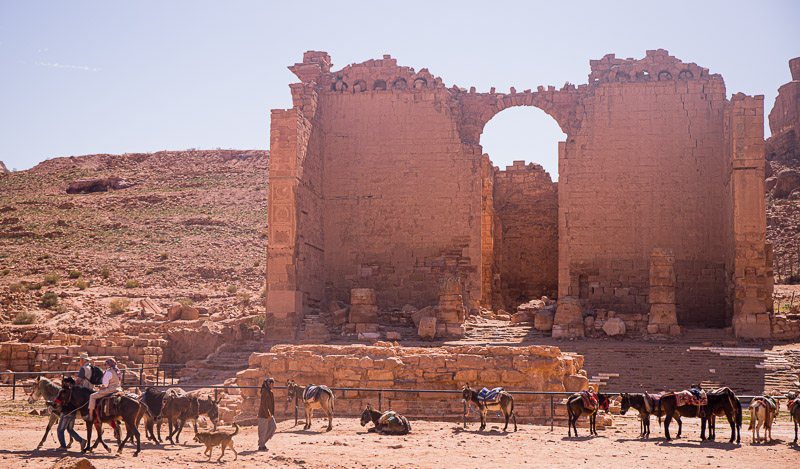
If visiting a few of the top attractions in Jordan, consider getting the Jordan Pass. It gives you access to more than forty attractions across the country, including the Roman Theater, Jerash, and the Citadel in Amman, Wadi Rum, Jordan Archeological Museum, and Petra.
If you purchase the pass before arrival and stay for a minimum of two nights (three days), the pass will be waiving any tourist entry visa fees, which is a huge bonus.
It isn’t an official card or ticket, but a QR code and PDF. This means you must purchase it before you arrive to allow time for the pass to arrive in your emails.
The Basic Jordan pass costs 70 JD. Easy math will tell you what a great deal it is when The Jordan visa-on-arrival costs 40 JOD, and a 1-day pass for Petra costs 50 JOD.
Visit the official website to find the right Jordan Pass package for you.
Who are the Bedouins?
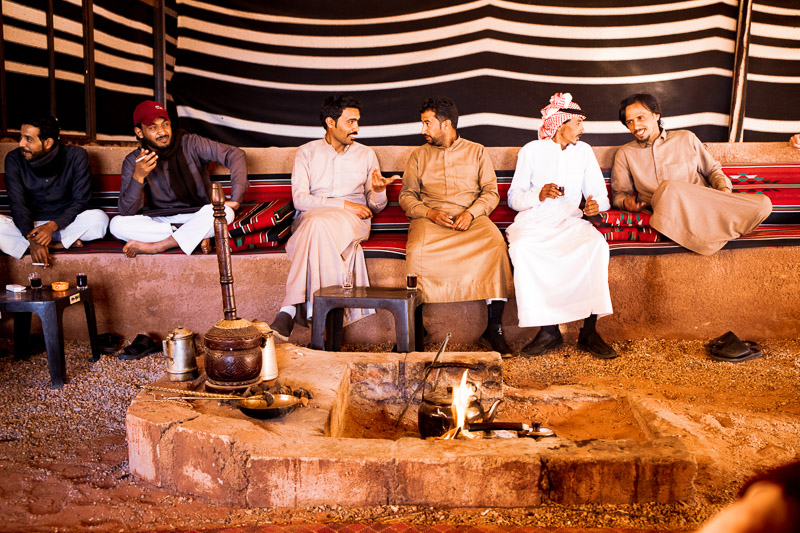
Bedouin comes from the word, badawī which means desert dwellers. Bedouin territory stretches from the vast deserts of North Africa to the rocky sands of the Middle East.
Bedouin tribes are thought to have come to Jordan from the Arabian Peninsula as early as the 14th century. The Bedouins live in brown or black colored tents made from goat hair. As nomads they tend to move every 3 to 4 months. Camels are an important part of Bedouin life, as a source of food, transport, and a sign of wealth.
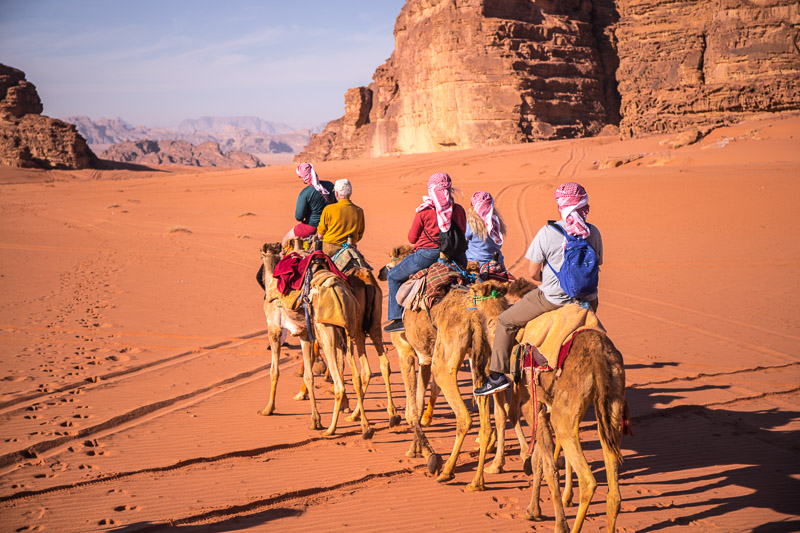
Wadi Rum desert is where most travelers visit for Bedouin experiences. You can ride camels and visit a Bedouin camp.
We took a short 20-minute ride to a Bedouin camp. When we arrived, a group of robed Bedouin men brewed us sage tea over an open fire and Osama shared more with us about their lifestyle.
A Bedouin family invited us to their open fire near the tent where they demonstrated how they cooked two types of bread – one thick and one thin – while we stood in the glow of the afternoon light deepening the colors and textures of the surrounding red rocks.
You can read this post for our hilarious frothing camel encounter, and you can see a reel here!
Wearing a Bedouin scarf

A very popular thing to do when visiting Wadi Rum, the home of the Bedouins, is to wear the red and white checkered Bedouin scarf. The Bedouins are accepting of tourists wearing their head scarves. I recommend you do it. They look beautiful and are very comfortable and will offer some protection from the desert heat.
Our guide, Osama, taught us how to tie up the scarf. Men typically wear the black ring to hold the scarf in place. As Osama told us, “if a woman wears the black ring it’s like a woman with a mustache.”
Dress conservatively in Jordan
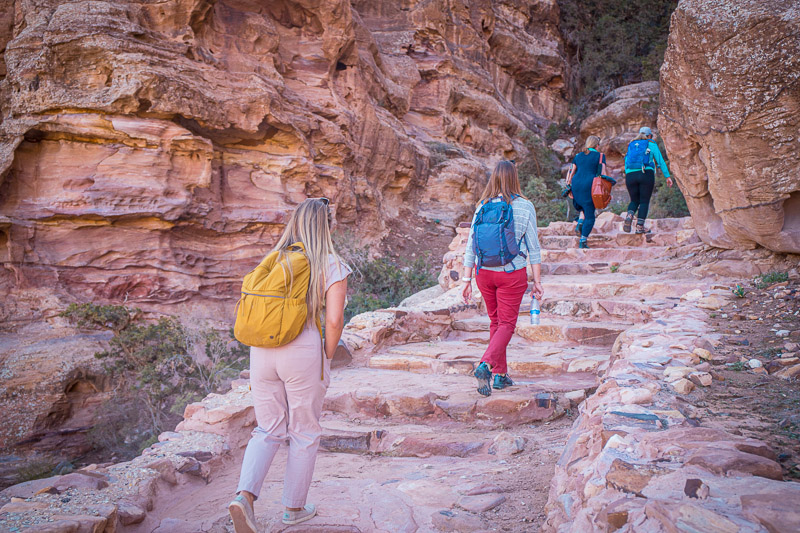
Even though Jordan is a more liberal Middle Eastern country, there is still an expectation to dress respectfully. Women should wear loose-fitting clothing and avoid low-cut and shoulder-baring tops, short skirts, and shorts. There is no law requiring women to wear hijab but they may need to cover their hair, chest, and neck in places of worship, as well as knees and shoulders (for men and women).
Jeans are okay for women to wear, especially in Amman and big cities. And women in our group also wore leggings on occasion. It might be best to cover up with long shirts and jackets.
Know the weather for the time you are traveling. I traveled at the end of February, which means cooler weather. Yes! I also thought Jordan was desert hot year-round.
Be prepared if you travel during Ramadan
Ramadan is a Holy month of fasting, introspection, and prayer for Muslims, held in the ninth month of the Islamic calendar. The dates change each year so look up Ramadan times before you visit.
Ramadan will impact your Jordan travel as almost all cafes and restaurants nationwide will stay closed until sunset. You’ll be able to eat in the big hotel restaurants. When you do eat, it’s important to stay out of sight in respect for locals who are fasting.
It is illegal for alcohol to be sold for this month – possibly ok in 5-star restaurants, but check current regulations as they can change.
NO PDAs in Jordan
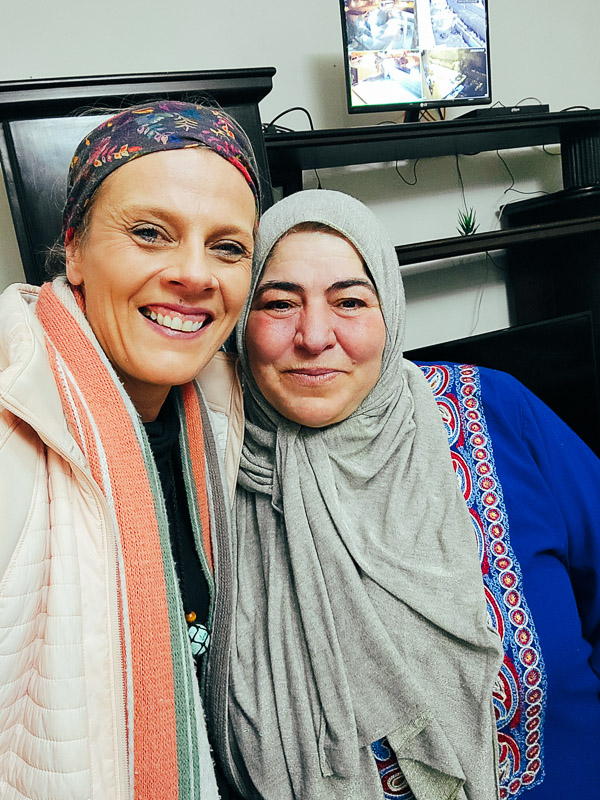
Jordanians greet each other often with hugs and kisses. This is considered acceptable personal interactions. However, Jordanians will frown upon public displays of affection with a romantic partner.
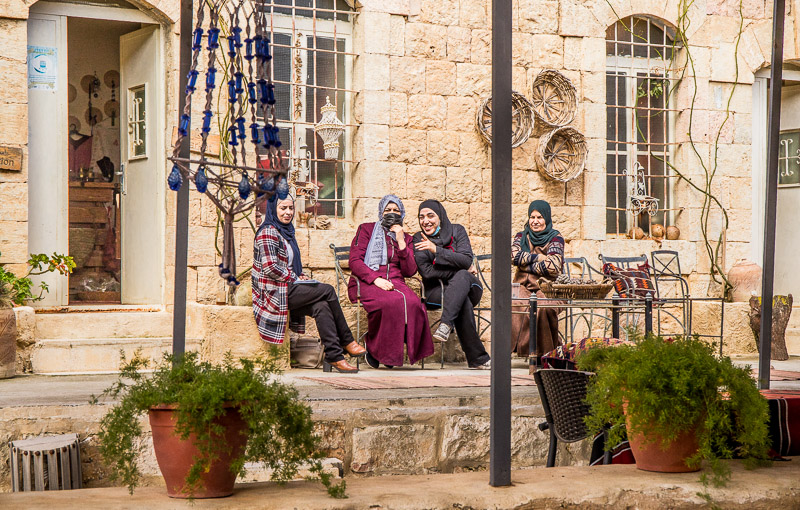
Also, be aware, that Jordanian women may not want to have their photo taken alone with a man. Ameena in the photo above politely declined a photo with one of the men from our group. This could also be the same for a Jordanian man to have a photo with a foreign woman. Be aware of these cultural sensitivities.
LGBTQ is not criminalized but frowned upon
For any LGBTQ travelers thinking of visiting Jordan, you’ll be pleased to know that Jordan is one of the few Middle Eastern countries where being gay is not criminalized and hasn’t been since 1951.
However, this does not mean you should draw attention to yourself. The LGBTQ community still receives prejudice and discrimination challenges, and the same rule of PDA applies.
In fact, homosexual displays of affection can be prosecuted for “disrupting public morality.”
English is widely spoken
The official language of Jordan is Arabic; however, most Jordanians speak English, especially in cities. If you’re ever unsure about where to go, you can always ask in English.
However, it’s always polite to learn a few simple phrases in the local language. Here are a few simple phrases you can learn:
- Hello / Welcome – Salam / Marhaba
- Thank you – Choukran
- No thank you – La choukran
- Excuse me – Afwan / min fadlak
- Goodbye – Ma’asalama
- Yes / No – Na’am / La
Visit Jordan in Spring or Fall
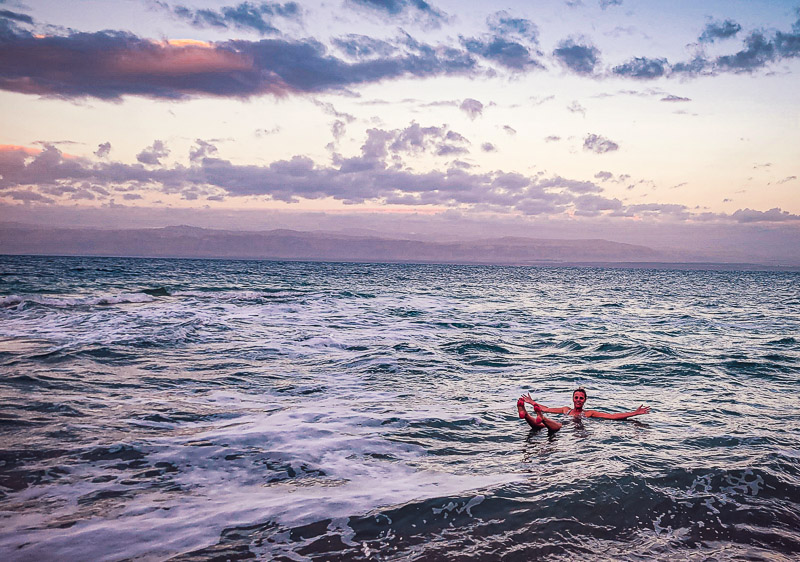
The best time of year to visit Jordan is either spring (March to May) or autumn (September to November) when the weather is very pleasant with warm days and pleasant evenings.
If you are not used to high summer temperatures, the summer months may be best avoided. The winter is the rainy season (November to March), which is considered the low season to travel in due to heavy rain.
I recommend considering traveling in Jordan during the off-season i.e. winter. I visited in February. Not only was it more affordable, it meant we weren’t dealing with crowds, especially at the extremely popular Petra. It was a wonderful time.
It was cooler, and we had one day of rain (which is quite rare), but it wasn’t uncomfortable. It was warm enough even for me to swim in the Dead Sea. You could get some chilly days though so be prepared.
Jordan can get cold
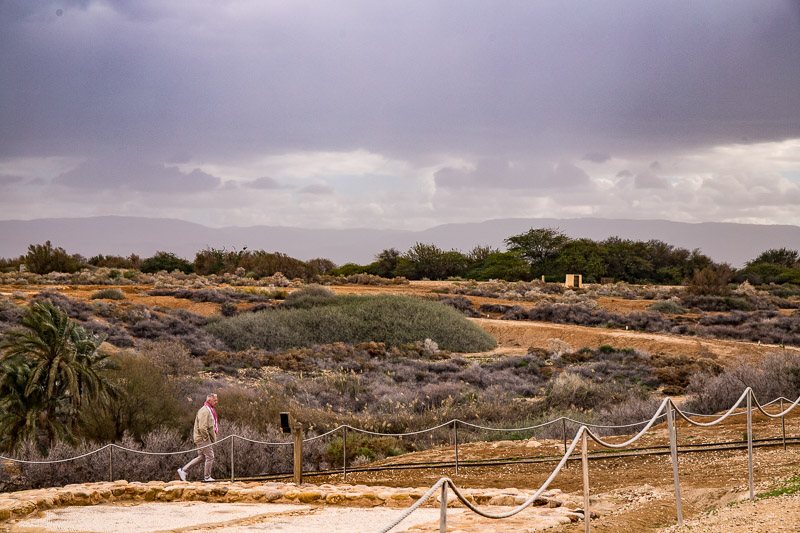
You may think Jordan is hot year-round as it’s located in the desert, but Jordan can get quite cold, especially at night.
From November to February temperatures can hover in the single digits (Celsius) during the day and drop to freezing at night. They can sometimes even get snow. While it doesn’t rain a great deal, it can, and it did on our last day in Jordan.
I was worried it may have been too cold in Jordan during the winter, but the weather was pleasant for most of the trip. We even ended up with slight tans after a day in the warm desert sun in Petra. In fact, I couldn’t imagine how uncomfortably hot it would be during the peak summer season, which is between May and September.
Set aside at least seven days
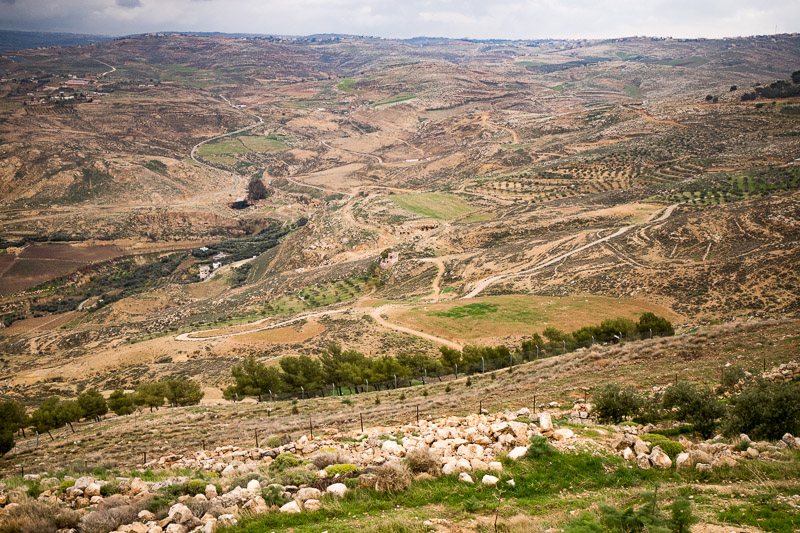
Jordan is almost the same size as Portugal and the state of Maine in the USA. It’s only a four hour’s drive from Amman in the north to Aqaba in the south, so you can fit in a fair amount in a short time.
But, as I’ve mentioned it is filled with incredible adventures, attractions, and experiences, so enough time is needed to give them justice. I recommend at least 5-7 days to travel Jordan. I think 10 to 14 days would be optimal but I know not everyone has that much time to spare.
Jordan is more than just Petra
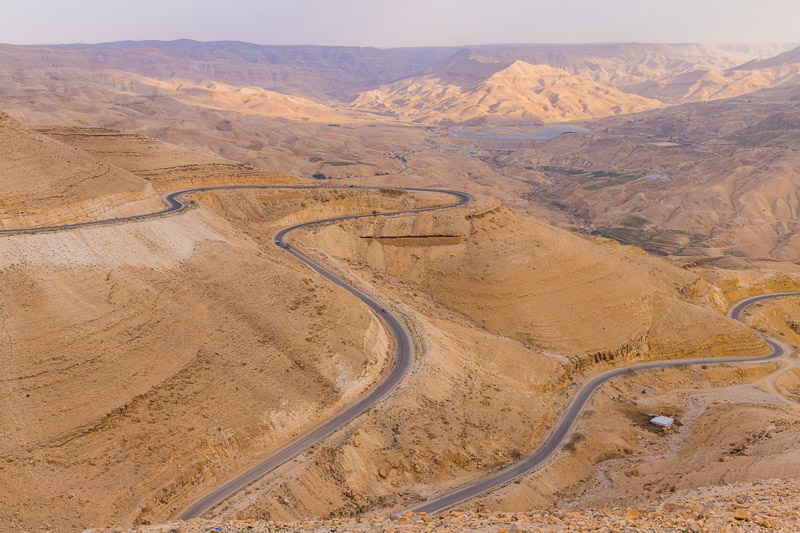
Most people visit Jordan to visit the Ancient City of Petra, but there is so much more to offer here. The Dead Sea, Wadi Rum Desert, and Bethany Beyond the Jordan, the baptismal site of Jesus, are some other iconic landmarks that bring people to Jordan.
If you are still mapping out your itinerary, we have a full post on the best of Jordan and the unmissable attractions. However, make sure you have the following on your list:
- Hiking in Wadi Mujib – The Grand Canyon of Jordan
- Mount Nebo
- Madaba Archaeological Park & Museum
- The Ancient Roman City of Jerash
- Amman (and the Ancient Citadel)
- Quseir Amra desert castle (UNESCO World Heritage site)
- Kerack Castle
- Aqaba and the Red Sea
Don’t visit Petra for one day (it’s more expensive)
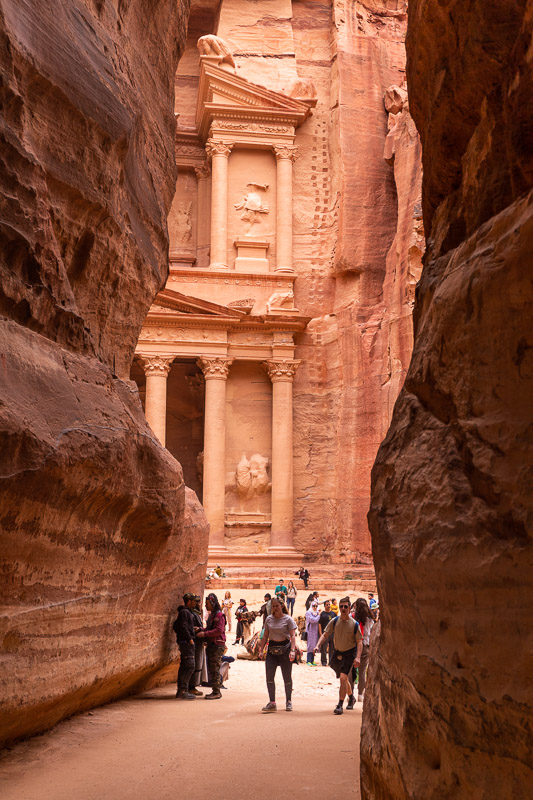
Petra can be an expensive Jordan attraction, but well worth it. There is so much more to see in Petra than the Treasury. I recommend you allow for at least two days to see Petra, especially if you want to do some hiking. To encourage tourists to stay longer, admission prices go down the longer you stay.
If you spend the night in Jordan, the admission price is JD50 (70USD) a day in comparison to JD90 (127 USD) if you only visit for the day.
It costs JD55 for two days, and only JD60 for three.
Read more: A Guide to Petra and the extraordinary back door hike
You need a car to get around Jordan
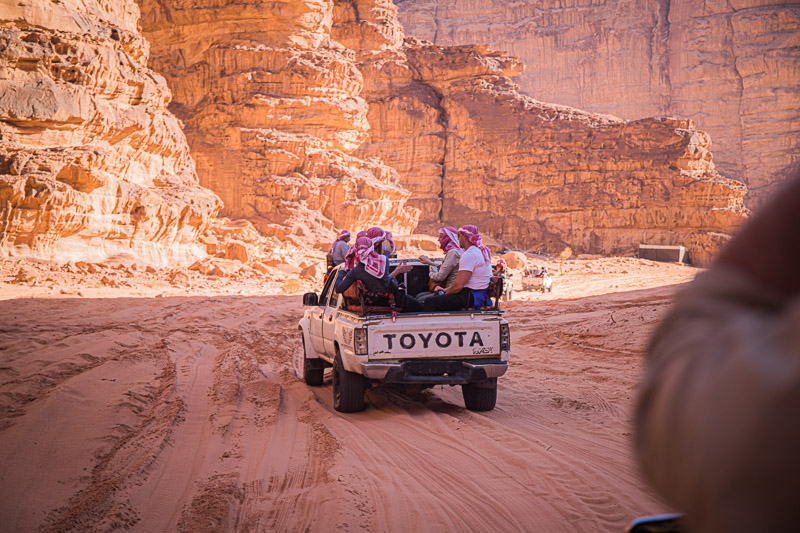
fun
One of the best ways to get around Jordan is by driving your own rental car. Rental rates start at around $30 USD. Highways are in pretty good condition, you may have the odd speed bump, pothole, or camel crossing to navigate around.
But it won’t be like driving in the USA or Australia, so pay attention to speed limits and be alert. Be mindful that while driving from city to city in Jordan is easy because the highways are well maintained, other drivers are your biggest danger.
There is a speed limit, but no one follows it. Stay alert if you’re planning on driving in Jordan, especially if you are visiting remote areas.
Want the best price for your car rental? In the 15+ years we’ve used DiscoverCars.com, we’ve never found a better price anywhere else. Plus, your booking can be cancelled or amended if your plans change. Click here to see rental cars in Jordan.
Be mindful when using taxis
Yellow taxis operate on a meter and are a cheap way to get around in Jordan. Be sure to ask the driver to turn the meter on, otherwise they may “forget” and charge you a fortune. Be aware that peak traffic time is 2pm-5pm, which may make it difficult to find a taxi and will be a much slower and more expensive fare. Taxis are even willing to take you to destinations several hours away.
Although Jordan is safe, it’s not recommended to get in a taxi on your own. There have been some reports of assaults, including sexual assaults, by taxi drivers in the past.
Group tours are a great way to get around and meet people
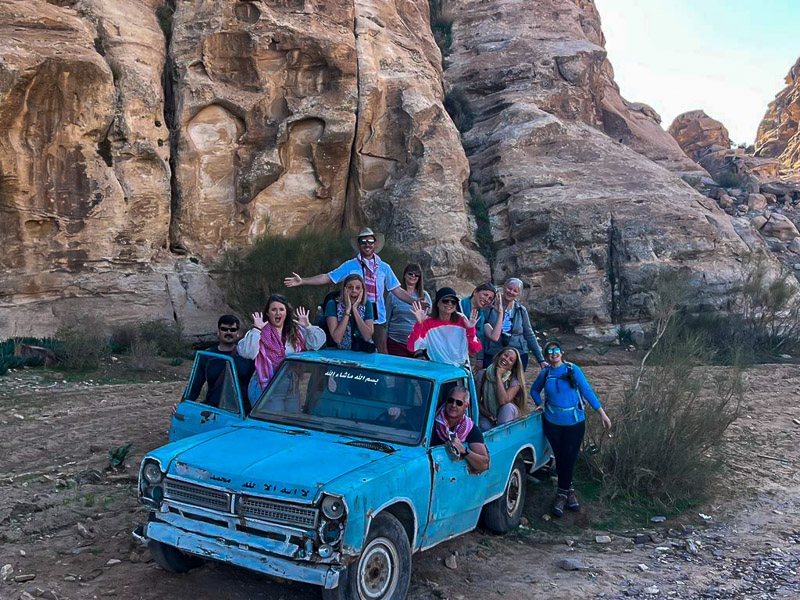
You may find joining a group tour to be the easiest way of getting around. I enjoyed my group tour of Jordan with Globus Journeys. You get accommodation and transport covered with some meals and a local guide to ensure your experience is memorable, informative, and worry free. It helped me savor the experience with minimal effort.
As a busy mother running her own business, I don’t get a lot of time to plan trips, so I loved having everything taken care of, including having someone pick me up from Amman airport, help me clear immigration and customs, take me to an ATM to get cash and drop me off at the hotel. I just had to pack my bag, show up, and have fun.
Essentials to pack for Jordan
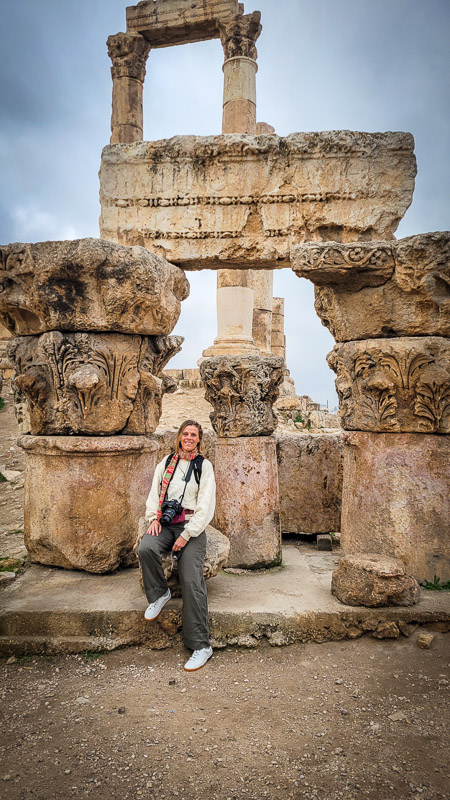
- Loose comfortable clothes practical for traveling
- Head scarf – perfect for covering our head for cultural and religious reasons but also to protect from the sun AND warm you up if it’s cold.
- Hat, sunglasses, and sunscreen
- Swimsuit. (I would choose a conservative swimsuit)
- Water bottle
- Layers if it’s cold including a waterproof jacket – may not need it but best to be safe
- Comfortable walking shoes, particularly if you plan to do any hiking our adventurous activities.
- Plug adaptor
- Shoes you can get wet (the bottom of the Dead Sea can be rocky so you may want to wear shoes)
NOTE: DRONES are not allowed in Jordan. You run the risk of having it confiscated at the airport/border. Drones are considered a security risk because of their proximity to the Israel border.
Bring a power adapter for Jordan

In Jordan, the power plugs and sockets are of type C, D, F, G, and J. You will need a power plug travel adapter to suit these. The standard voltage is 230 V and the standard frequency is 50 Hz.
You should not need a voltage converter if you are charging your phones, camera batteries, and laptop. But if you want to use something like your own hair dryer or electric shaver, you will damage them if you don’t have a converter (always check your appliances).
My tip – leave them at home! It’s one less thing to worry about. You’ll find hair dryers in the hotels, and disposable shavers will do the job. I don’t travel with converters.
Get a local sim card for easy data roaming
I don’t ever recommend using international roaming on your home phone when traveling. It’s a rip-off. Some US companies may offer it as part of their plans, in that case knock your socks off. Our provider, AT&T charges $10 a day and it rarely works properly.
You can easily get a local sim card in Jordan. You just need an unlocked mobile phone and a passport. At Queen Alia International Airport, you will find a mobile phone shop on the main floor of the arrivals section. Zain is the main mobile phone company in Jordan and you can purchase a sim for as little as 9 JD ($12.50-$13USD), which will include enough minutes, data and texts to last an entire month.
Even easier is buying an eSim card. You can get one for Jordan from Airola here. All you do is install the app, choose your destination and package, install the eSim and then activate it.
It’s only $12 for 3 GB data for 7 days, or $18 for 5 GB data for 30 days. $12 – $18 USD for your entire trip or $10 a day? You do the math. I’d rather spend that money on Jordanian wine!
I did not have an unlocked phone, so made use of the free wi-fi in the hotels and on our Globus tour bus. You can often find free wifi in cafes, restaurants, and at tourist attractions. The connection will be better in big cities like Amman.
Also note, streaming and uploading to social video platforms like TikTok, YouTube, and Instagram Reels can chew up data. I understand posting your own stuff, but do you need to stream others when you are in such an exciting destination like Jordan.
Jordan is affordable
Jordan is an expensive country to visit. I found it quite on par with costs in the US. The Jordanian Dinar is also pretty strong, which will greatly affect your costs depending on what currency you use. And of course, it all depends on your spending style. Choices like eating local street food, getting around on local buses, and staying in 1-star hotels will reduce your costs.
According to Budget Your Trip, the average daily cost of most visitors to Jordan is JOD125 ($176) per day. A trip to Jordan for two people for one-week costs on average JOD2,468 ($1,750)
In Jordan, you can use your credit card at most places, but always carry cash in case. ATM machines are available in most places but not in smaller towns.
Tipping is not mandatory but appreciated

Like most countries outside of the USA, tipping is not mandatory, nor expected, but of course, always appreciated.
Tourism workers are generally paid lower wages, so do rely somewhat on tips. Larger restaurants may add on a 10% tip to the bill. 5-10% is a good rule of thumb for you to leave behind.
Historic tour guides – especially in Petra – will generally expect tips as well. Leave about 1-5JD.
ATMs are readily available
ATMs are readily available in Jordan, especially in major cities and tourist areas like Petra.
The most common banks in Jordan are Arab Bank, the Bank of Jordan, and the Capital Bank.
ATMs typically charge a fee, and there may be a further fee if withdrawing using credit cards, but you can avoid this by using travel debit cards such as Revolut, Starling, or Monzo, which have free ATM withdrawals.
Carry copies of travel documents
Of course, you will need to take your passport and visa documents, but it’s a good idea to carry photocopies so you can keep the original passport secure in your hotel. Pickpocketing is the most common petty crime in Jordan, so if you have copies, it can accelerate recovery if the original is lost or stolen. Local laws dictate you must carry ID at all times.
You don’t need any special vaccines
When visiting a new country, it’s a good idea to check what vaccines you need to get.
For Jordan, the recommended vaccines are Hepatitis A, Typhoid, and your routine immunizations like Tetanus and Diphtheria. A Yellow Fever vaccine is only required if you are arriving from or transiting through a country with a risk of yellow fever.
Jordanian food is aromatic and protein-heavy
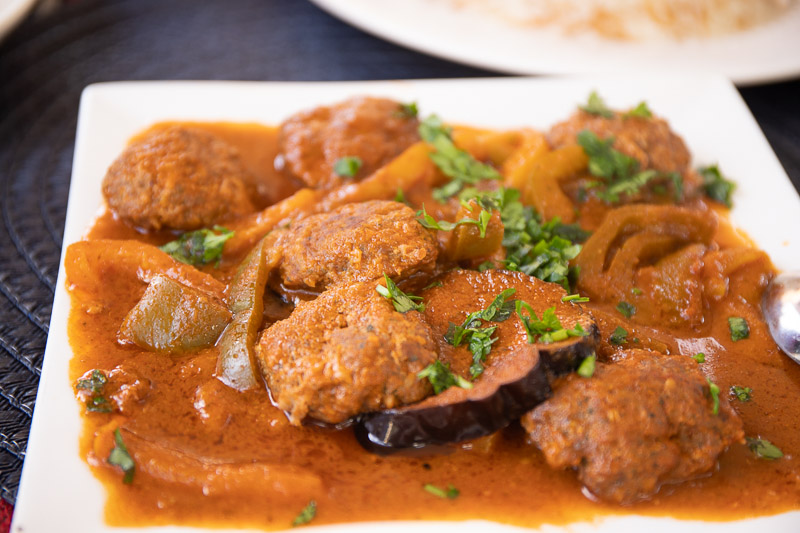
As we learned from Chef Maria at our Beit Sitti cooking class in Amman, the holy trinity for Arab cooking is lemon, tahini, and yogurt. You’ll also find herbs like sage, thyme, and mint in a wide variety of Middle Eastern dishes with quite a heavy focus on proteins.
Food is a communal eating experience, often done with hands, and a piece of bread in hand.
In Jordan, I was delighted to discover a cuisine that catered to my gluten-free requirements. Even though I missed a few sticky sweets and warm pita straight from the oven to dip in oil and za’atar, I still felt compensated by the mouthwatering beef stews, lamb mansaf, upside-down chicken and rice, and fresh-from-the-garden salads. And pomegranate on everything!

Here are a few other favorite foods from Jordan:
- Foul Mudammas (fava beans) covered in spices and tahini
- Labneh (creamy yogurt) drizzled with local honey and topped with dried apricots, figs, and nuts
- Halawa, a sweet filling treat made of sesame seed paste and flavored with nuts
- Mutabal is baba ghanouj (most delicious when they roast the eggplant on the fire!)
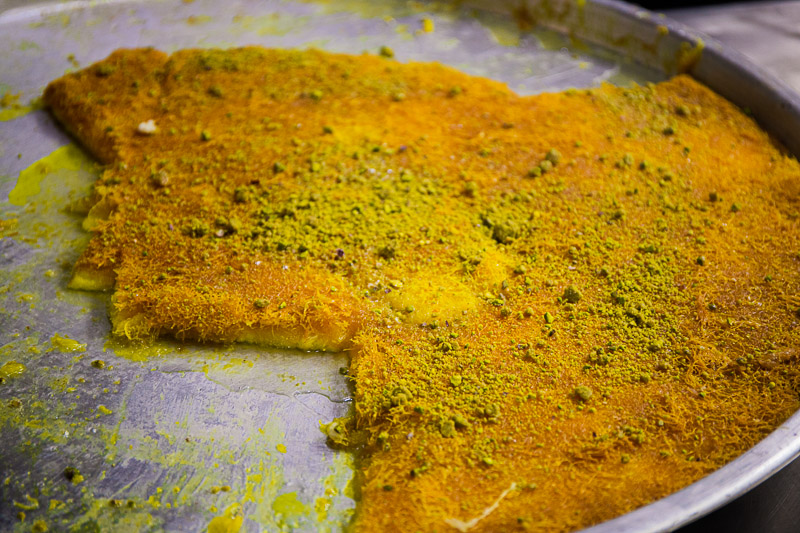
- Kunafeh, which is goat’s cheese, and topped with wheat and pistachio. sweet but not overpowering. When in Amman get one from here – it is the oldest in the city and is said to be the best.
- Mansaf: national Jordanian dish, and it is a dish of meat (be it beef, lamb or chicken) cooked until fork-tender and coated in a rich yogurt sauce spiced with Baharat spices. Here is a mansaf recipe.
Vegetarians will have limited choices as many Jordanian dishes contain animal products, but there will still be options!
If dining with local Jordanians, be aware that not accepting food offerings can offend, so make room in your belly. Their generosity and hospitality extend to maximizing every spare inch of your stomach and more.
As with most Muslim countries, eating with hands is common, and etiquette is to eat with the right hand only, as the left is for toilet purposes. They will offer grace to foreigners!
You can read our friends at Uncornered Market’s post sharing more information on Jordanian dishes.
Do not drink the tap water in Jordan
Tap water in Jordan is not drinkable. You can find bottles of water anywhere. A clever idea is to carry your own reusable filtration water bottle. It will allow you to safely drink water and travel with an eco-conscious intention (plus save you money)
This one by Grayl comes highly recommended for good filtration and removal. Make sure to drink plenty of water in Jordan, but don’t waste it as the country has a water shortage.
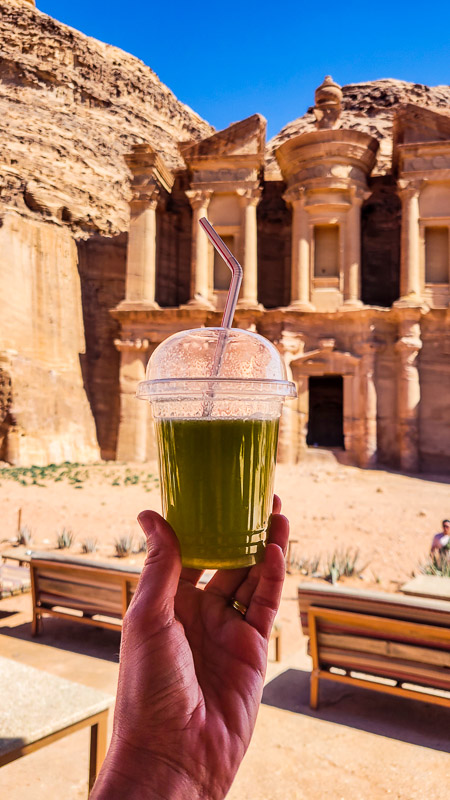
One of my other favorite Jordanian experiences was their refreshing lemon mint juices you could find everywhere – best taken with a view of The Monastery in Petra after a hot morning hike. And tea is best taken with warm conversation!
You can drink alcohol in Jordan
YES! Alcohol is legal in Jordan, but it won’t be as prolific as you’ll find in Western countries – and it will have a much higher price tag as it’s taxed heavily.Be mindful that you are traveling through a country that does not have a drinking culture, so consume in moderation.
FUN FACT: Jordan actually produces their own beer and wine! I had some Chardonnay while in Petra and was pleasantly surprised.
Jordan has centuries of fascinating history
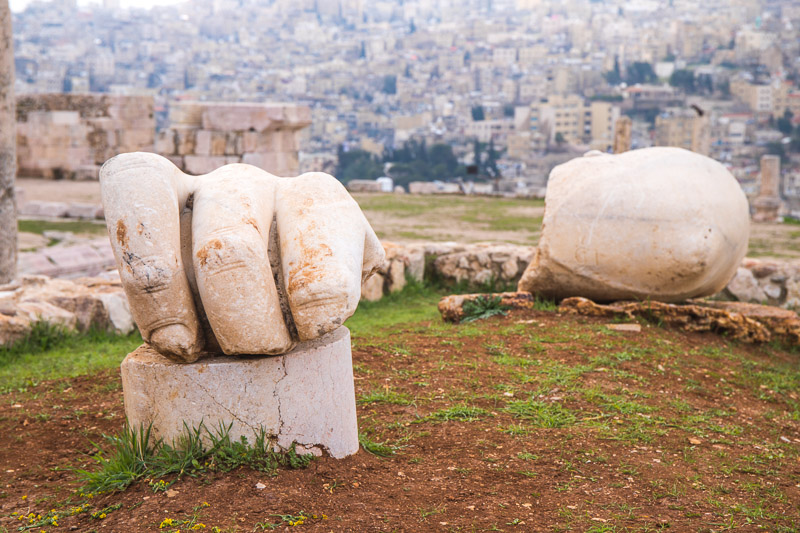
The history of Jordan is long and rich stretching from the paleolithic era through the ancient Nabateans and biblical times to the current Hashemite Kingdom of Jordan. The capital city, Amman is one of the world’s oldest continuously inhabited cities with a history spanning nine millennia!
History lovers will be impressed with the plethora of experiences in Jordan that help tell these stories.
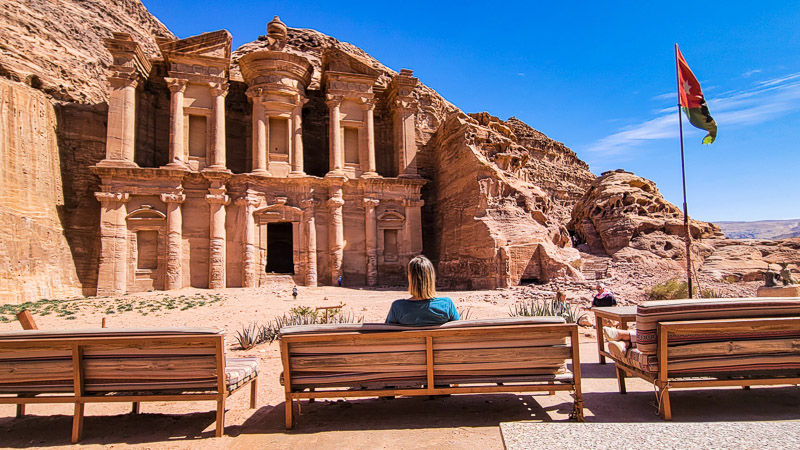
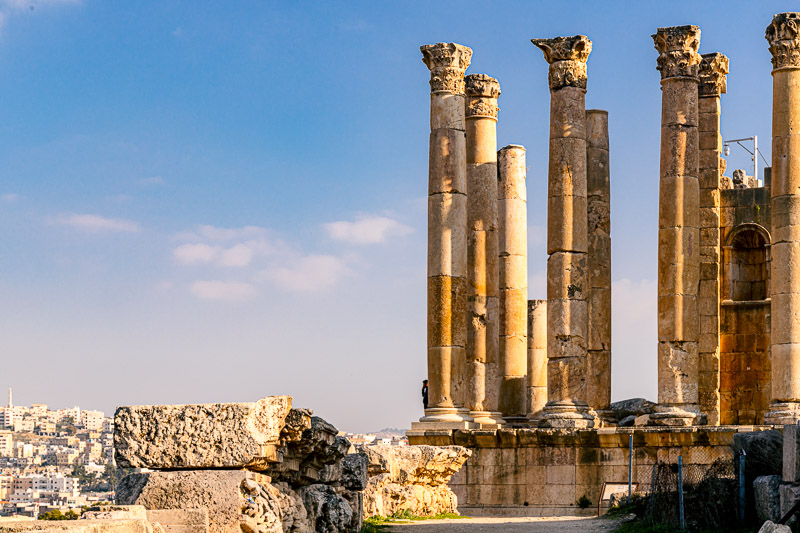
It’s a small country, but Jordan packs in some of the best historical attractions in the world. The most well-known is the ancient city of Petra, a UNESCO world Heritage site AND one of the New Wonders of the World. The ancient city of Jerash is considered one of the best-preserved Roman-era cities in the world and has some amazing Roman ruins.
Jordan is full of unique wonders
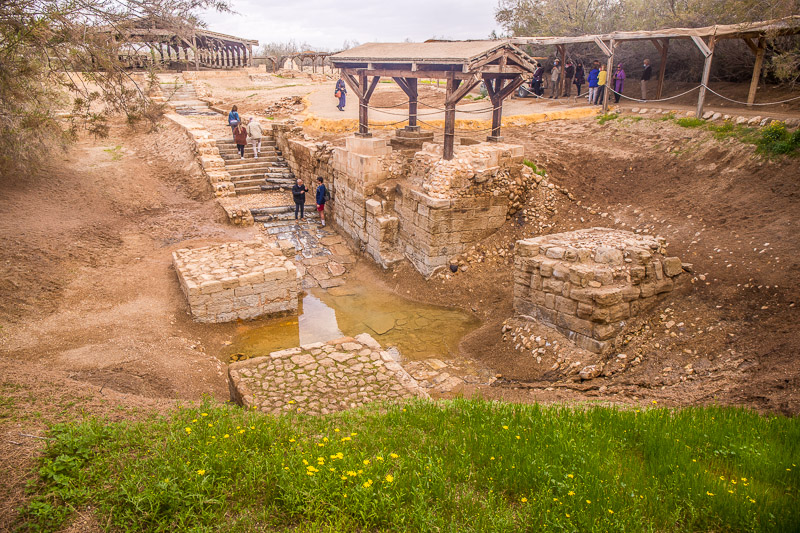
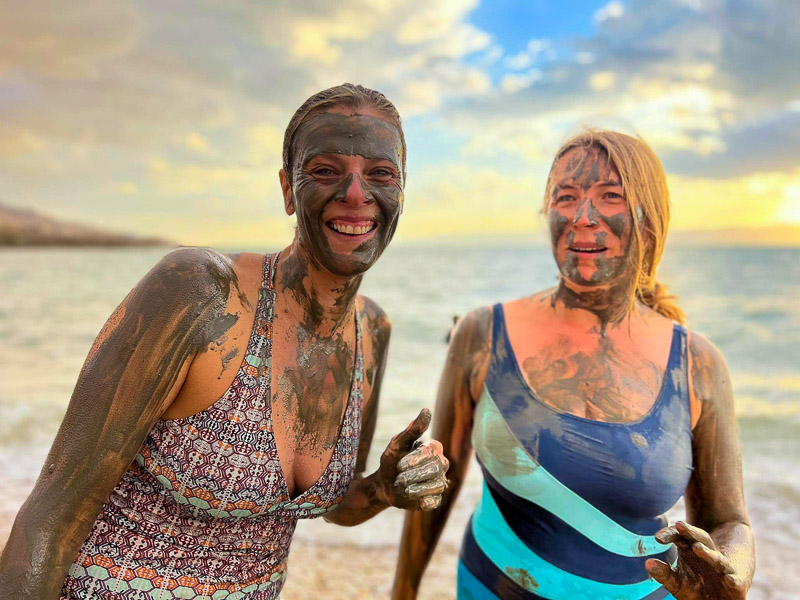
As well as historical sites, Jordan is full of natural beauty and religious sites. Wadi Rum Protected Area is a desert canyon and UNESCO site popular for desert safaris and Bedouin experiences, and The Dead Sea is the lowest point on earth, and 8% richer in Oxygen, and full of wonderful minerals for your body. It’s so salty you can float on it. Be sure to slather your body in that free and nutrient-rich Dead Sea mud!
Many people visit Jordan on a Holy Land pilgrimage… The Holy Land is an area of the Middle East where events of the Bible happened.
In Jordan, you’ll find the:
- Famous Madaba Mosaic Map, which was created in the 6th Century to help Pilgrims find their way around the Holy Land.
- Mount Nebo is a historical sight of huge religious significance. It’s the place where Moses looked out over the Promised Land of Canaan.
- Bethany Beyond the Jordan is where Jesus was baptized by St John the Baptist. Multiple sources prove that this was the exact place pilgrims traveled for thousands of years to honor Jesus, St John, and the beginnings of Christianity.
Jordanians are friendly and hospitable
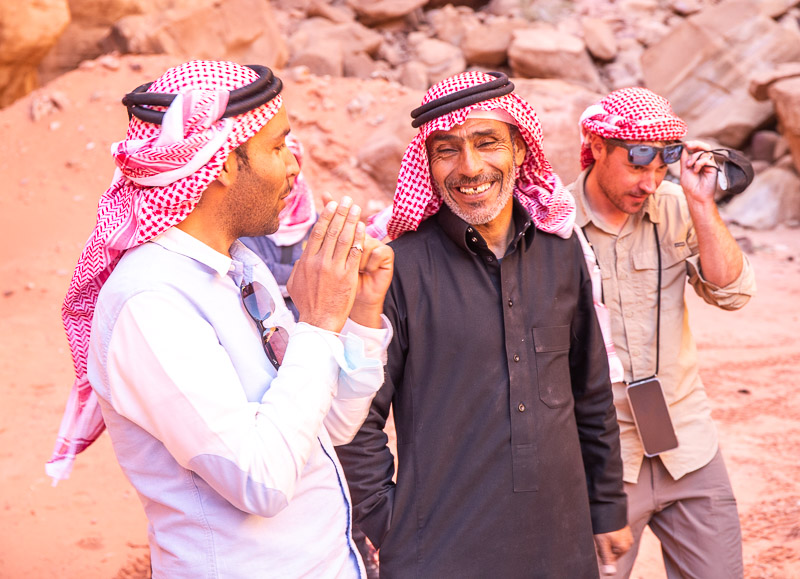
I fell in love with the people on my first transfer ride from the airport with Khalid. During our 40-minute drive he taught me a lot about the history and culture of the Hashemite Kingdom of Jordan (through a fun game format). You can read more about that here.
The same warm interactions continued throughout the Jordan trip, even with the two young men in the shawarma shop, who attempted to understand the ineffective Google translate for “I can’t eat gluten.”
Try to speak to the locals as you travel through Jordan – even sit down to tea with them – and hire local Jordan tour guides, who are a wealth of knowledge on culture and history. You can also seek out experiences like homestay dinners with local Jordanians like we did with this Bedouin family in Petra.
Jordan is quite a liberal country
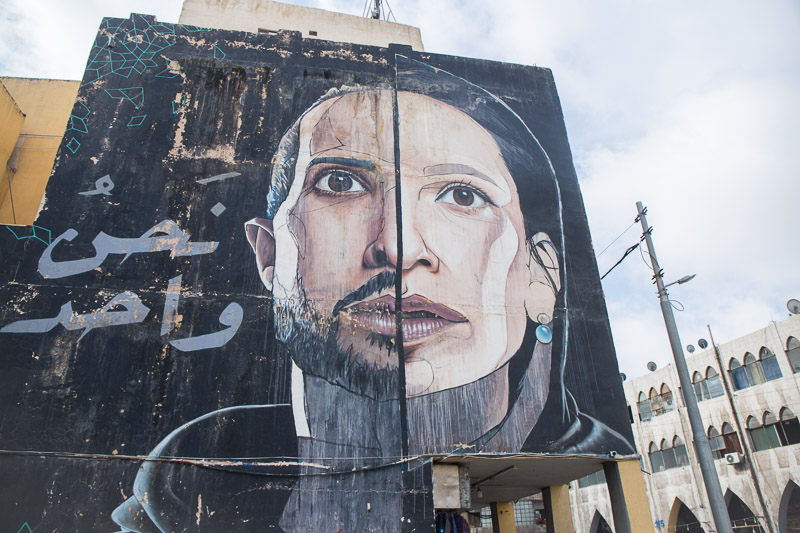
You may be surprised to learn that Jordan is quite an open-minded and liberal country, probably the most in the Arab world. Their constitution allows for freedom of press and free speech HOWEVER, you can’t speak bad about the Royal family – as that will land you in jail!
The Jordanian government takes good care of its citizens offering free and high-quality education and healthcare. They also take great care of their large population of refugees, consisting of forced migrants from Palestine, Iraq, Lebanon, and Syria.
I was surprised by the many conversations I had with locals at how accepting they were of other religious beliefs and nationalities. However, there are still some topics that are sensitive, one in particular, is the strained relations with Israel. Always be open-minded and respectful with conversations – curiosity not judgment.
Final thoughts
Jordan is a fascinating country full of unique global attractions, ancient history, delicious food, warm hospitable people, and endless adventure.
A trip to Jordan will surpass all of your expectations. People raved about it to me, and when I finally visited in 2022, I raved about it to others too – including y’all!
If you’re planning to travel to Jordan, these are important things that you should know before your first trip. There are a lot of cultural, religious, and general planning considerations you need to consider. Hopefully now you feel ready to explore the Wadi Rum and Petra, and the rest of Jordan!
More Jordan Travel Tips
- Ancient City of Petra, Jordan: An Incredible Back Door Hike + Helpful guide
- Memorable Experiences on A Visit to Jordan – Yala, Yala
- The BEST of Jordan on a 7 Day Escape Tour By Globus
- Visiting Bethany Beyond the Jordan: Where Jesus was Baptized
- Outstanding Things to do in Amman, Jordan For History and Culture
Pin To Save It On Pinterest